
What Is HEMA in Gel Nails? And Why More Artists Are Choosing HEMA-Free Formulas
If you’ve ever searched for “HEMA-free gel nails” or wondered what causes gel nail allergies, you’re not alone. HEMA has become one of the most discussed ingredients in the professional nail industry, and for good reason.
Here’s what HEMA actually is, why it’s used in gel polish, and why more modern brands are choosing to formulate without it.
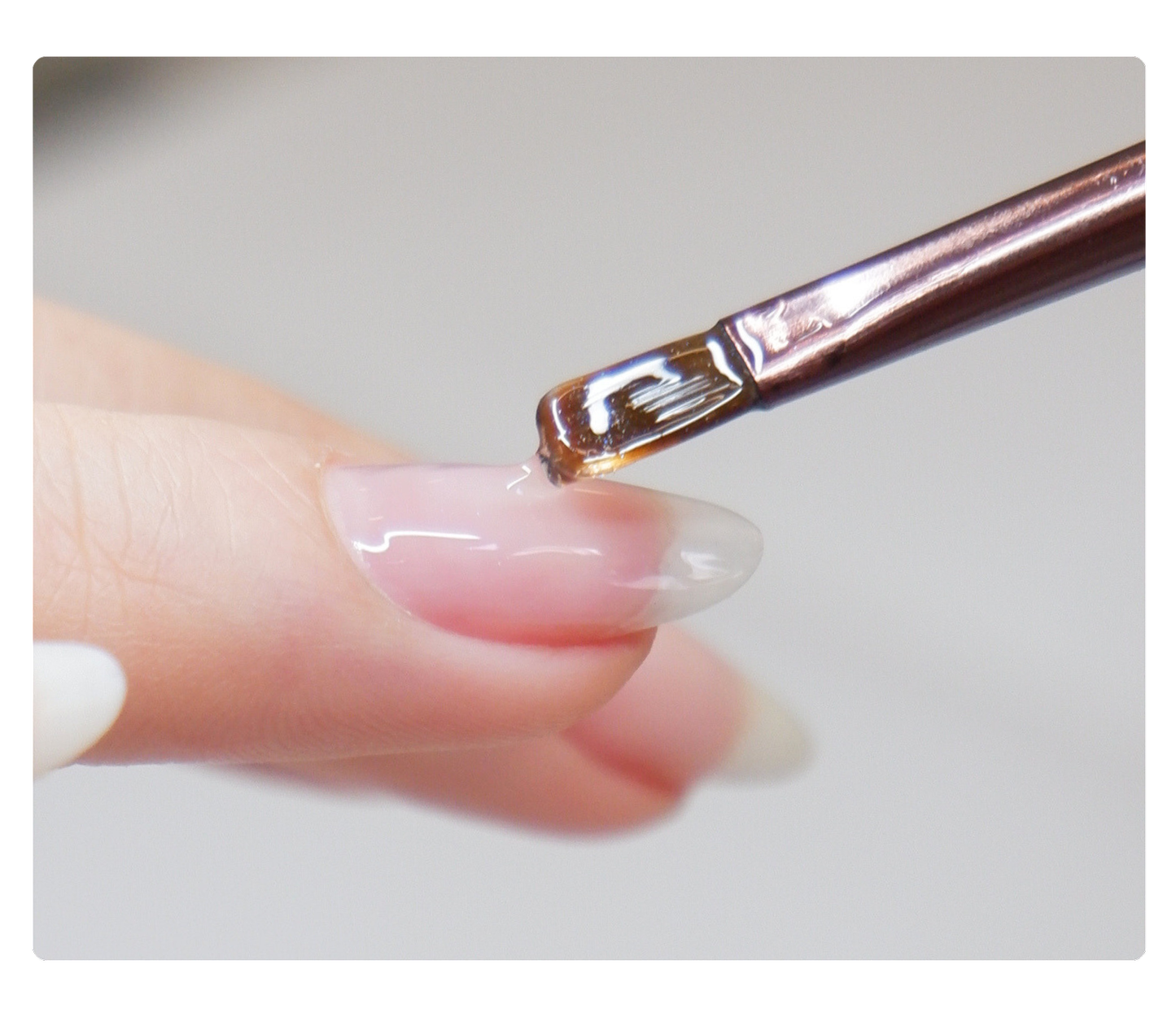
Quick Answer: HEMA (Hydroxyethyl Methacrylate) is a bonding ingredient commonly used in gel nails. While effective for adhesion, it can increase the risk of allergic sensitization with repeated exposure. Many modern gel brands now offer HEMA-free alternatives.
What Is HEMA?
HEMA stands for Hydroxyethyl Methacrylate, a monomer commonly used in gel nail products. It plays an important role in helping gel adhere to the natural nail plate.
In simple terms: HEMA helps gel stick.
Because of its strong adhesion properties, it has historically been used in base coats, builders, and color gels.
Why Is HEMA Controversial?
While HEMA is effective for adhesion, it’s also known to be one of the more common sensitizers in nail products.
A sensitizer is an ingredient that can trigger an allergic reaction after repeated exposure. This doesn’t happen to everyone, but once someone becomes sensitized, reactions can be long-term.
Common Signs of a Gel Allergy:
Redness around the cuticles
Itching or swelling
Peeling skin
Small blisters
Sensitivity that worsens over time
Improper curing, product touching the skin for prolonged periods of time, or overexposure during frequent services can increase risk.
It’s important to note:
HEMA itself is not automatically “bad.” When properly formulated and fully cured, it can be used safely. However, the rise in gel usage globally has increased awareness around long-term exposure, especially for those who opt to do their own gel nails at home.
What Does “HEMA-Free” Actually Mean?
A HEMA-free gel does not contain hydroxyethyl methacrylate in its formulation.
This can:
Reduce the risk of allergic sensitization
Be gentler for sensitive clients
Offer peace of mind for technicians working with gel daily
However, not all HEMA-free gels perform the same. Removing HEMA requires reformulating adhesion chemistry carefully. If done poorly, lifting and chipping can increase.
That’s why high-quality formulation matters.
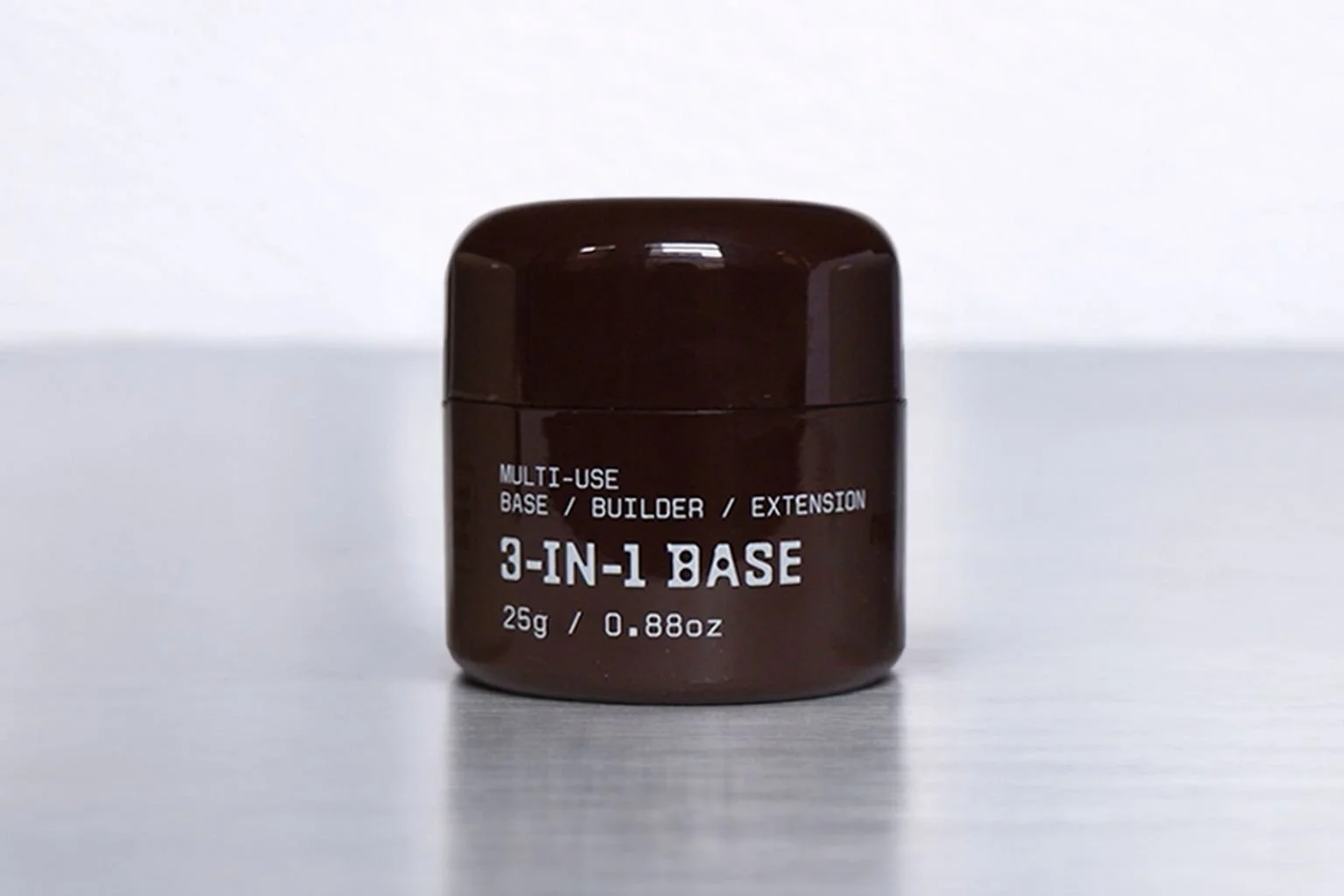
The By En 3-in-1 Base is designed to work as a refillable base, builder, and extension gel in one versatile formula. With a self-leveling texture and a balanced consistency between soft and hard gel, it creates a durable foundation ideal for growing out natural nails.
Multi-Use Function
Performs as a base, builder, and extension gel. Perfect for tip extensions, gem overlays, and quick nail fixes. It can also be refilled instead of needing to be fully removed every time.
Balanced and Buildable
A light, slightly liquid texture that sits between soft and hard gel, offering more flexibility than hard gel while curing stronger than soft gel.
Inventory-Friendly
Reduces clutter in your gel collection by replacing the need for separate base, builder, and extension gels.
How to use:
Apply an appropriate amount and cure under a UV/LED lamp for 60 seconds.
For sensitive clients, use 5-second cure intervals with pauses, or pre-cure with a single-nail light before full curing.
Why More Modern Gel Brands Are Moving Away From HEMA
As the industry evolves, there’s a shift toward ingredient transparency and long-term nail health.
Many Asian gel brands in particular have focused on:
Lower heat spikes
Higher pigment density (less layering)
Cleaner formulations
Precision adhesion systems
Brands like SIiSA and By En were developed with this philosophy in mind.
Rather than relying on traditional adhesion-heavy formulas, these systems balance performance with a more considered ingredient approach, offering HEMA-free and TPO-free formulations without compromising wear time or color payoff.
Does HEMA-Free Mean Weaker Adhesion?
Not necessarily.
High-quality HEMA-free systems compensate with:
Advanced bonding polymers
Controlled viscosity
Strong pigment saturation (reducing excessive layering)
Properly engineered base systems
For example, ultra-pigmented gels like those from SIiSA achieve full opacity in one coat. Fewer layers mean:
Less bulk
Less exposure
Cleaner structure
Faster service time
When combined with proper prep and curing, wear time remains strong and reliable.

SiiSA is a HEMA-FREE & TPO-FREE smart modular gel nail system designed for professional nail artists. Built for high-performance creativity, it supports 10+ techniques including single-tone application, gradients, stamping, layering, diffusion, mirror pigment, tile patterns, and hand-painted designs.
Featuring Y2K-inspired, high-pigment, self-leveling formulas, SiiSA delivers smooth application, flexibility, and long-lasting wear. Each formula is carefully coded for clean, consistent results across techniques.
This set includes 10 color gels (2.5g each), along with a SiiSA accessory bag, pre-cut sponges, and one sponge-grabbing pen.
After base layer, apply and cure under UV/LED for 30 seconds.
Exclusive at Mellow Edit.
Who Should Consider HEMA-Free Gels?
HEMA-free systems may be especially beneficial for:
Clients with sensitive skin
Technicians experiencing skin irritation
Individuals who frequently wear gel
Clients who’ve previously had mild reactions
Artists prioritizing long-term nail health
If someone has already developed a confirmed gel allergy, they should consult a medical professional before continuing any gel services.
The Bigger Conversation: Nail Health + Ingredient Transparency
The shift toward HEMA-free and TPO-free gel isn’t about fear, it’s about evolution.
As more clients become educated about what’s in their products, they’re looking for:
Transparency
Performance
Clean formulation
Professional-grade results
Modern gel systems can deliver all four.
For us, carrying brands that prioritize both artistry and ingredient awareness isn’t a trend, it’s a standard.
Final Thoughts
HEMA has played an important role in the development of gel nail technology. But as the industry grows, so does our understanding of long-term exposure and formulation innovation.
Choosing a HEMA-free system doesn’t mean sacrificing performance. When properly engineered, these formulas offer durability, vibrancy, and a more mindful approach to nail artistry.
If you're exploring ingredient-conscious gel options, you can browse our curated collection of HEMA-free and TPO-free systems here:
