Why Choose Japanese Gel? Understanding the Difference Between Asian Gel and American Gel
Over the past decade, Japanese gel has become one of the most respected systems in the professional nail industry. While many gel products exist on the market today, Japanese gel stands out for its focus on nail health, ingredient quality, and artistic precision.
But what exactly makes Japanese gel different?
1. The “Potted Gel” System
Japanese gel is commonly referred to as potted gel, because it usually comes packaged in small jars instead of bottles. Nail technicians apply the gel using separate professional brushes, rather than the brush attached to a bottle.
This system allows nail artists to:
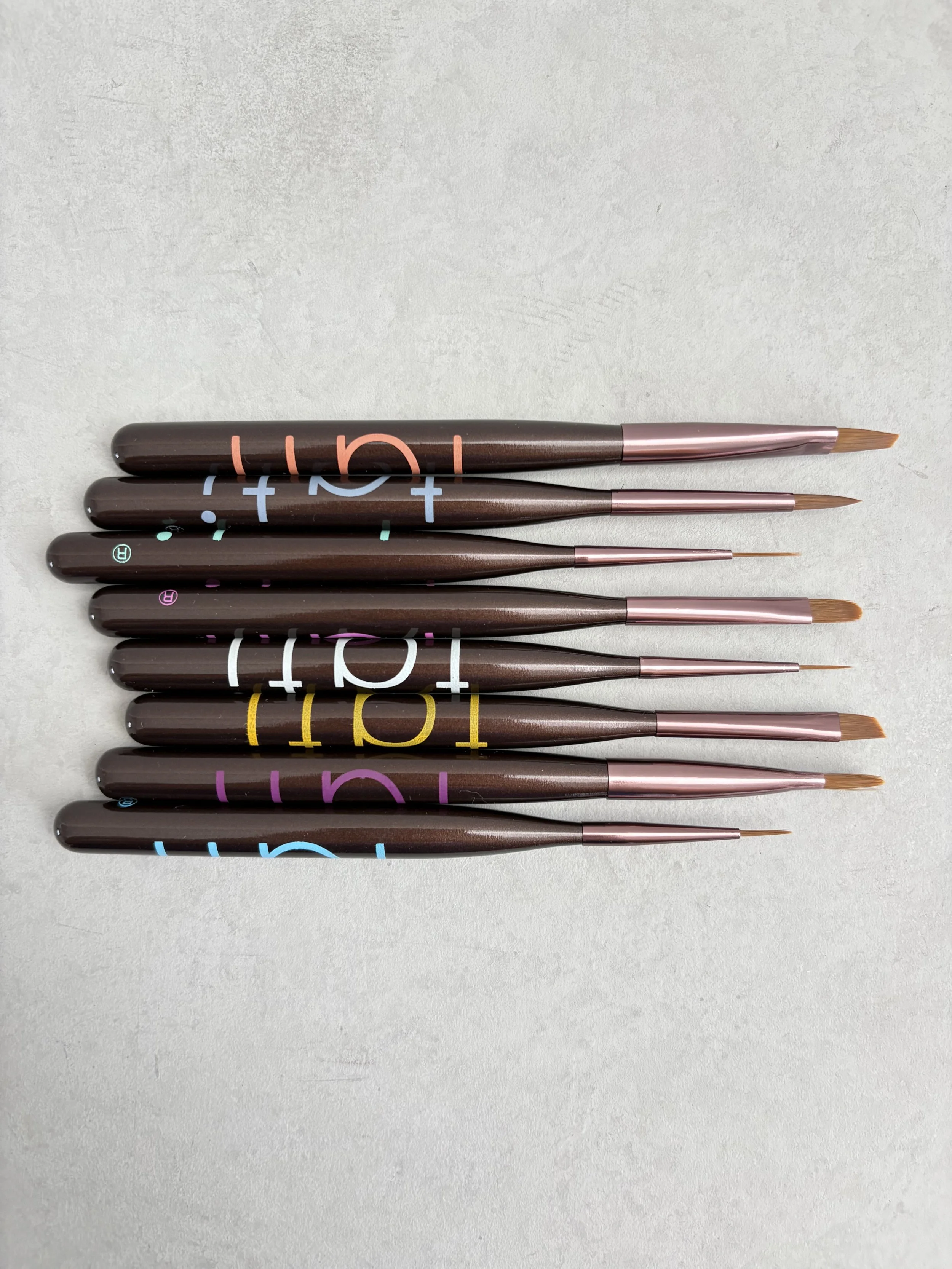
Choose different brushes for different techniques
Apply ultra-thin and precise layers
Maintain better control over product placement
Because the gel is applied with a separate brush, the application is often more refined and controlled, especially for detailed nail art or advanced techniques.
In contrast, many Western gel polishes are designed for speed and convenience in salon environments, typically coming in bottle form with a built-in brush.
2. A Professional System Focused on Nail Health
Japanese gel is built around the philosophy of protecting and supporting the natural nail.
Many Japanese brands emphasize:
High-quality raw ingredients
Strict manufacturing standards
Professional-grade formulas designed for trained nail technicians
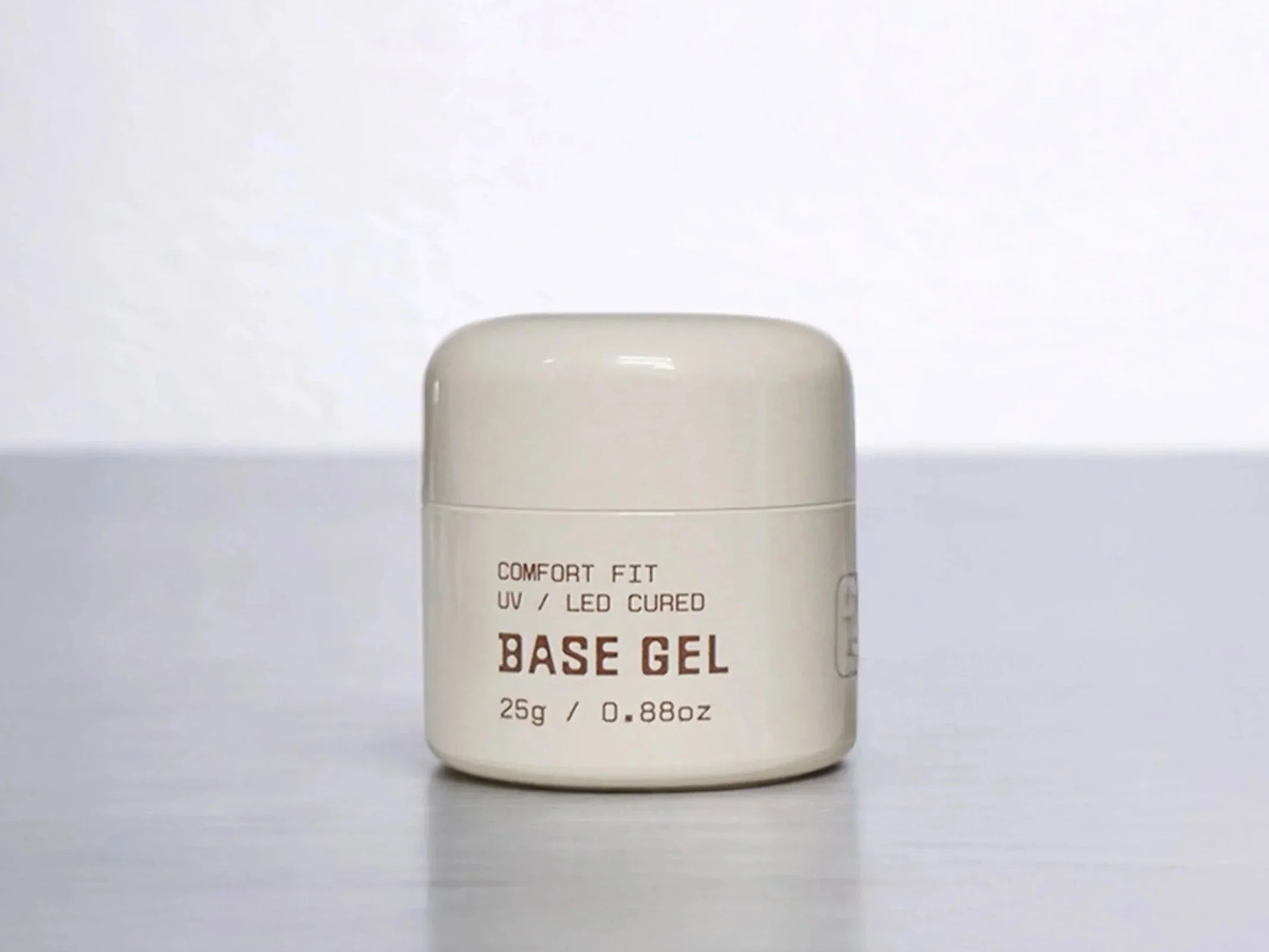
In recent years, TPO and HEMA are commonly discussed in the industry due to their potential to cause irritation or allergic reactions for some individuals.Many professionals now look for formulas that avoid certain ingredients that may increase the risk of sensitivities for both technicians and clients.
By prioritizing thoughtful ingredient selection, Japanese gel systems continue to evolve toward formulas that support both performance and nail health—an approach that reflects the broader philosophy of Japanese nail care.
3. Highly Pigmented Colors Designed for Nail Art
Another defining characteristic of Japanese gel is its high pigment concentration.
Unlike many gel polishes that are optimized mainly for single-color manicures, Japanese gels are often developed with nail art versatility in mind.

Benefits include:
Strong color payoff even in thin layers
Smooth, even coverage
Better control when creating detailed designs
Many nail professionals find that Japanese gels produce a cleaner and more refined finish, partly because the formulas are thicker, self-leveling, and designed for precision brushwork.
This makes them ideal for:
Layered nail art
hand-painted designs
complex textures and effects
4. Durability Without Bulk
Japanese gel is known for creating relatively thin yet durable layers.
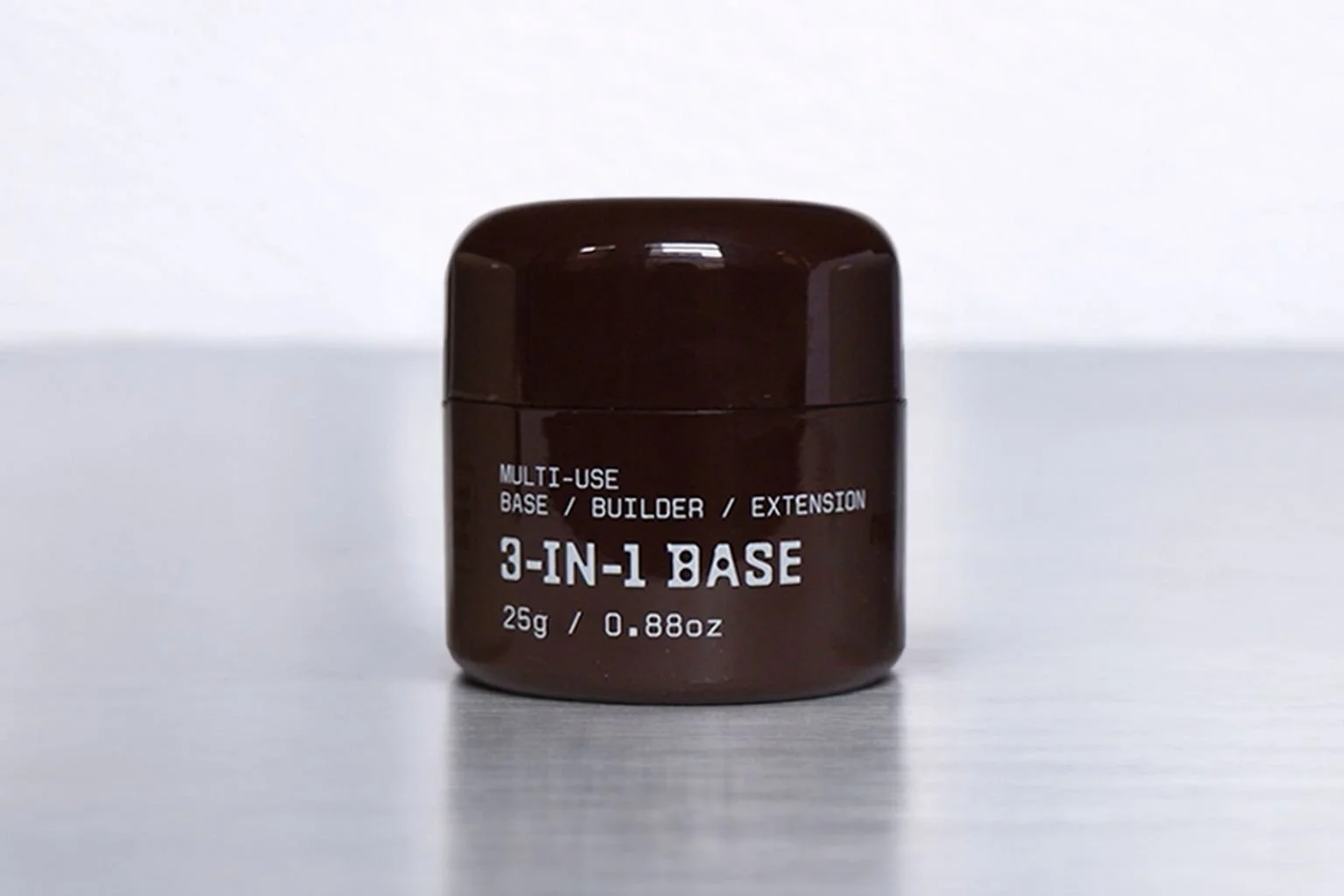
While it behaves like a soft gel (meaning it can be soaked off with acetone), many formulas provide strength comparable to harder gels, helping protect the natural nail while maintaining flexibility.
This balance allows the manicure to:
feel lightweight
maintain a natural appearance
resist chipping for several weeks
Many Japanese gel manicures can last three to four weeks or longer when properly applied.
Bringing Japanese Gel to More Nail Professionals
Japanese gel represents a philosophy that values precision, ingredient awareness, and natural nail health.
At Mellow Edit, we carefully curate our product selection and focus on education to help bring the Japanese gel system to more nail professionals. Our goal is to support technicians with the tools and knowledge needed to create beautiful work while prioritizing nail health.